


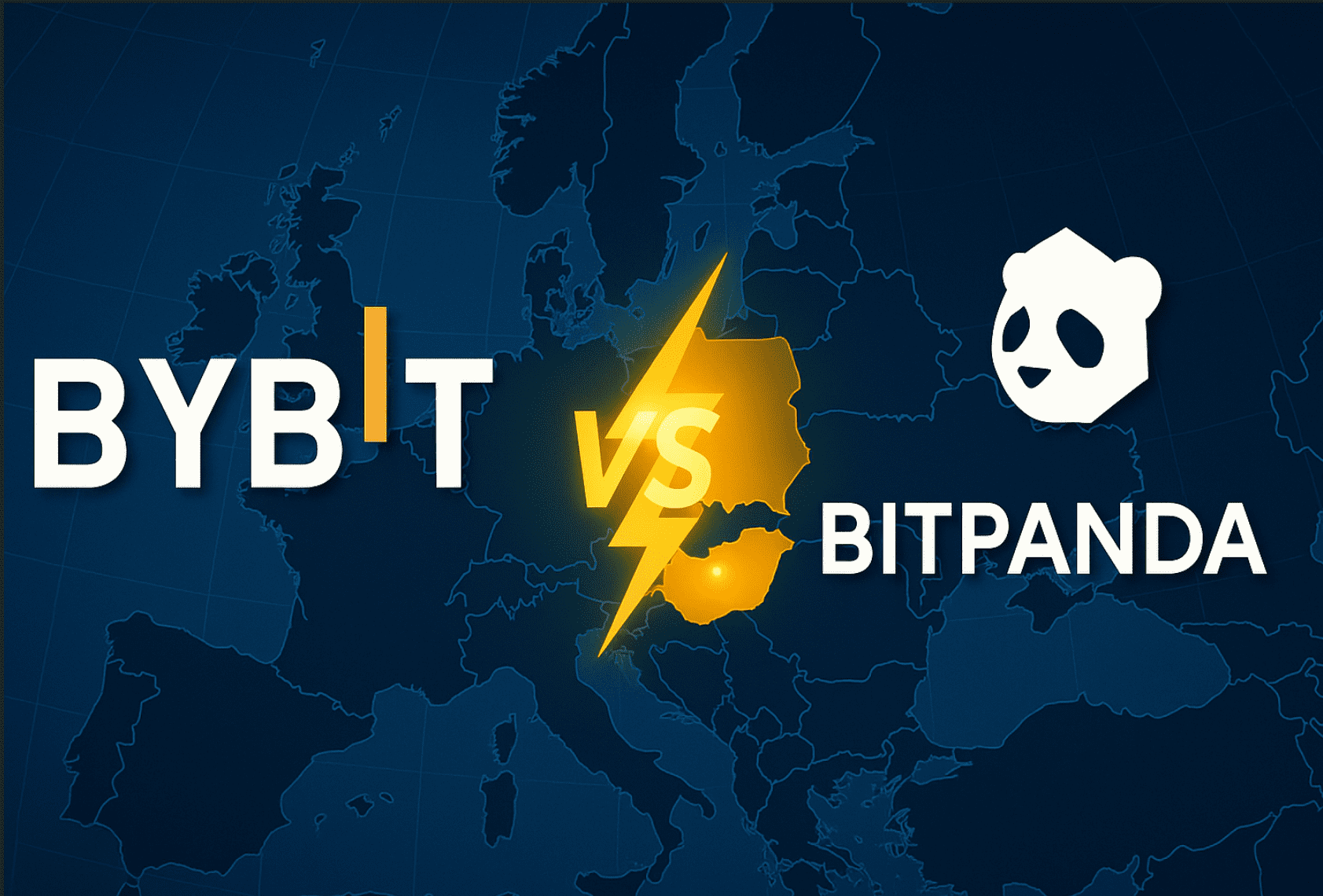
Bybit has flipped the switch on Bybit.eu, a Vienna-based, MiCAR-licensed platform that instantly passports regulated crypto services to 29 European Economic Area (EEA) states. Bybit announced the move in a press release on July 1, 2025. The move detonates fresh competitive pressure on home-grown Bitpanda, long the regulatory poster-child of Austria’s crypto scene.
Key Points
- Regulated Launch – Bybit EU GmbH opened on 1 July 2025 after winning Austria’s first MiCAR exchange licence for a non-European giant in May (Sources: cointribune.com, coindesk.com).
- Scope – Licence “passports” across 29 EEA markets, delivering custody, crypto-for-fiat, and crypto-for-crypto exchange services (Sources: cointribune.com).
- Scale – Bybit ranks #2 globally by trading volume, far above any EU native exchange (Source: coingecko.com).
- Local Advantage – Austria is Bitpanda’s home turf; the Vienna unicorn already holds MiCAR licences in Austria, Germany & Malta and boasts 6 m+ users (Sources: finextra.com, bitpanda.com).
- Security Overhang – Bybit is still patching reputational damage from its $1.5 bn hack (Feb 2025) (Sources: coindesk.com, cointribune.com).
- Regulatory Arms Race – Multiple exchanges (Gemini, OKX, Crypto.com) are piling into the EU; supervisors warn of a “passport-shopping” race to the bottom (Sources: reuters.com).
Short Narrative
On 29 May 2025, Austria’s FMA quietly green-lit Bybit’s MiCAR application. Five weeks later, Bybit hit the ignition: Bybit.eu is now live, pitching deep-liquidity brokerage, VIP desks, and 24/7 multilingual support from Vienna and Amsterdam hubs.
The licence lets Bybit offer regulated services to 450 m Europeans—without running a traditional order-book exchange inside the EU (trades route back to global liquidity pools). Bitpanda, headquartered a tram-ride away, suddenly finds a heavyweight rival operating under identical regulatory cover.
Extended Analysis
Market & Regulatory Consequences
MiCAR has turned Austria into a gateway jurisdiction: fast-moving national regulators grant a single licence; firms then “passport” across the bloc. This concentration of supervisory burden is triggering friction inside the EU, with ESMA warning that smaller agencies may be under-resourced for systemic exchanges the size of Bybit. Expect tougher pan-EU audits and possible capital or insurance add-ons for high-volume platforms. reuters.com
Competitor Snapshot — Bybit vs Bitpanda
| Metric | Bybit EU GmbH | Bitpanda GmbH |
|---|---|---|
| HQ / Origin | Dubai parent; Vienna EU hub | Vienna (founded 2014) |
| Licence Footprint | MiCAR (AT) → 29 EEA states | MiCAR (AT, DE, MT) plus 10+ other licences |
| Core Product | Derivatives-grade brokerage, deep liquidity, VIP trading | Multi-asset broker: 600+ cryptos, stocks, ETFs, metals |
| Users / Reach | Not disclosed; ranks #2 global volume | 6 m+ retail & institutional users |
| Recent Headlines | $1.5 bn hack, market-share rebound | Deutsche Bank fiat rails partnership (Jun 2024) |
| Strengths | Liquidity, global brand, aggressive rollout | Compliance pedigree, diversified assets, banking links |
| Weaknesses | Trust scar from hack; no on-chain order book in EU | Lower volume, limited pro-derivatives offering |
Investment Implications
- Liquidity Migration – European whales may shift order flow to Bybit for deeper books, pressuring Bitpanda spreads.
- Reg-Tech Spend – Both players must scale compliance tooling; expect higher opex but long-term moat versus unlicensed peers.
- Security Premium – Persistent memories of the February hack could widen Bybit’s insurance costs—an arbitrage for short-sellers if ignored.
- Banking Rails – Bitpanda’s Deutsche Bank link gives it fiat on/off-ramp resilience; Bybit will need similar Tier-1 partners to stay competitive.
Recommendation or Warning
FinTelegram Takeaway: Ride the on-boarding pop but watch the hack hangover. Traders may exploit Bybit’s launch‐led liquidity surge, yet anyone holding Bybit-exposed tokens or equity should price in a near-term compliance audit and elevated cyber-risk premium.