


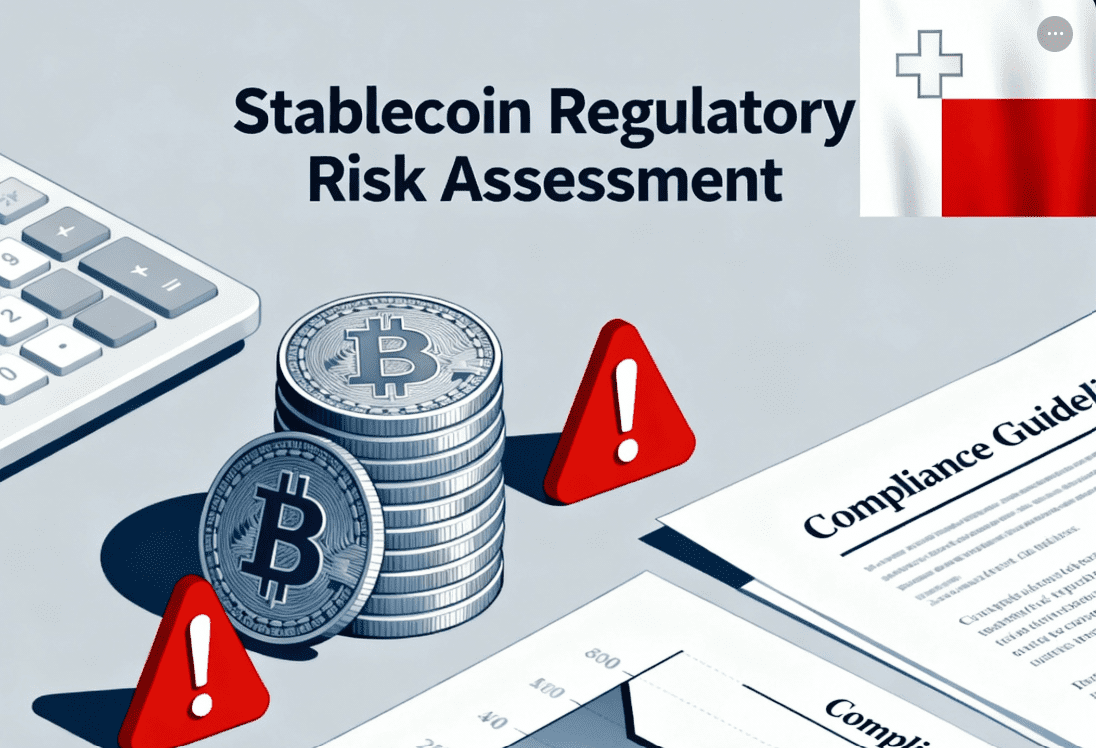
StablR Ltd, a Malta-regulated Electronic Money Institution (EMI), operates within a highly challenging business environment for small stablecoin issuers. With stablecoin issuance stagnating at approximately €11 million for both EUR and USD tokens, the company faces fundamental structural challenges that raise serious questions about its long-term viability and the broader sustainability of small-scale stablecoin operations.
The Stablecoin Business Model: Revenue Fundamentals
Primary Revenue Streams
Stablecoin issuers generate revenue through several key channels, with interest income from reserve management serving as the dominant source. For established issuers like Tether and Circle, approximately 99% of revenue comes from interest earned on reserves. Tether achieved $5.2 billion in profit during the first half of 2024 by investing reserves in US Treasury bills earning 4.72% yields, while Circle reported 53% year-over-year revenue growth reaching $658 million, primarily from reserve interest.
Additional revenue streams include:
- Transaction fees for minting, redeeming, and transferring stablecoins
- Custodial partnerships and treasury management services
- API and SDK monetization for institutional clients
- Compliance and audit services for third parties
The Economics of Scale Challenge
The stablecoin business model fundamentally depends on achieving significant scale. With reserves of just over €11 million each for EURR and USDR tokens[obtained from proof-of-reserves], StablR faces severe limitations. At current European Central Bank rates of approximately 3.25%, the company’s maximum theoretical annual revenue from a €22 million reserve base would be approximately €715,000 – insufficient to cover operational costs for a regulated financial institution.
Compare this to Tether‘s position: with over $140 billion in reserves, even modest yield improvements generate substantial returns. As one analysis noted, “even a meager 2% annual percentage yield (APY) on reserves would generate over $2.4 billion in yearly revenue” for Tether.
StablR’s Specific Challenges
Regulatory Overhead vs. Revenue Potential
Operating as a Malta EMI under MFSA regulation requires significant compliance infrastructure. Malta EMI license requirements include:
- Minimum initial capital of €350,000 for full EMI licenses
- At least two Malta-based business controllers demonstrating fitness and propriety
- Comprehensive compliance framework including AML/CFT procedures, risk management, and regular auditing
- Ongoing regulatory fees and supervisory costs
StablR‘s quarterly attestation reports by Grant Thornton [obtained from proof-of-reserves] represent additional operational expenses that become proportionally more burdensome at smaller scales.
Interest Rate Dependency
The stablecoin sector’s profitability is directly correlated with interest rate environments. Recent Federal Reserve rate cuts to 4.00%-4.25% have reduced the “easy profit margin model” for stablecoin issuers. This creates particular vulnerability for smaller issuers like StablR, which lack the diversified revenue streams of larger competitors.
Market Position and Competition
The MiCA Competitive Landscape
StablR operates within the newly regulated European stablecoin market under MiCA, which came into full effect in 2024. The regulation has created both opportunities and challenges:
Opportunities:
- Major non-compliant stablecoins like USDT have been delisted from European exchanges, including Kraken, Coinbase, and Crypto.com.
- MiCA compliance creates differentiation from non-regulated alternatives
- Tether’s strategic investment and use of Hadron tokenization platform provides technical and financial backing
Challenges:
- Limited market size: The largest MiCA-compliant EUR stablecoin has only €200 million in circulation
- Intense competition from established players like Circle’s EURC
- European regulations prevent issuers from sharing yield with token holders, limiting adoption incentives
Turkey Market Opportunity
StablR‘s allegedly strong position in Turkey aligns with market data showing Turkey has the highest rate of stablecoin purchases relative to GDP globally at 4.3%. Turkish residents use stablecoins to preserve value amid high inflation rates exceeding 67%. However, this market opportunity primarily benefits dollar-pegged stablecoins due to dollarization preferences, potentially limiting StablR’s euro-focused strategy.
Systemic Risks and Insolvency Scenarios
Structural Vulnerabilities
Small stablecoin issuers face unique insolvency risks that could result in massive losses for token holders:
- Liquidity Risk: Limited reserves make issuers vulnerable to redemption runs, particularly during market stress
- Operational Risk: High fixed costs relative to revenue create financial strain during low interest rate environments
- Regulatory Risk: Changing compliance requirements could impose additional costs or operational restrictions
- Counterparty Risk: Dependence on custodial banking relationships creates concentration risk
The Payvision Connection Concerns
Serious regulatory concerns surround StablR’s leadership connections to the Payvision scandal. CEO Gijs op de Weegh was a co-founder and active board member for 18 years of Payvision, which processed over €131 million in fraudulent transactions and faced criminal proceedings for systematic AML failures. The European Funds Recovery Initiative (EFRI) has formally requested the MFSA review StablR‘s EMI license, citing:
- AML proceedings against key Payvision executives being ignored during licensing
- Opaque ownership chain through Dutch holding Plutus B.V.
- Risk to EU financial system from allowing actors involved in large-scale money laundering to operate under MiCA
Macroeconomic Scenarios and Business Model Viability
Favorable Conditions Scenario
Under optimistic conditions, StablR could achieve viability through:
- Scale expansion to €500 million+ in token circulation
- Interest rate increases to 5%+ enhancing reserve yields
- Market share capture in Turkey and other high-inflation markets
- Fee-based revenue diversification through institutional services
Stress Scenarios
Several macroeconomic conditions could trigger insolvency:
- Extended low interest rates reducing reserve income below operational costs
- Competitive pressure from established issuers with superior liquidity and yields
- Regulatory enforcement actions related to management fitness and propriety
- Bank runs triggered by confidence loss or technical issues
The Zero-Sum Competition Reality
JPMorgan analysts describe the stablecoin market as potentially becoming a “zero-sum game” for smaller issuers, where competition is limited to market share battles unless the overall crypto market grows substantially. With the total stablecoin market at $278 billion but representing less than 8% of total crypto market cap, growth opportunities for small issuers remain constrained.
Conclusion and Risk Assessment
StablR‘s business model faces fundamental challenges that question its long-term sustainability. The combination of high regulatory overhead, limited scale, interest rate dependency, and concerning management connections to financial crime creates a high-risk profile for token holders.
The stagnation of token issuance at €11 million levels suggests market recognition of these limitations. Without achieving dramatic scale increases or securing sustained higher interest rate environments, StablR risks becoming another cautionary tale in the small stablecoin issuer space.
For the broader stablecoin ecosystem, StablR represents the challenges facing second and third-tier issuers attempting to compete with established giants like Tether and Circle. The “stablecoin sandwich” cross-border payment model may provide some utility, but insufficient scale and regulatory overhead make sustainable profitability unlikely.
Call for Whistleblowers
FinTelegram calls upon insiders with knowledge of StablR‘s operations, financial condition, management decisions, or connections to the Payvision scandal to provide information through our secure whistleblower platform Whistle42.com. Your confidential disclosures can help protect investors and ensure regulatory accountability in the evolving stablecoin sector.
Information of particular value includes:
- Internal financial reports and business projections
- Management communications regarding business strategy
- Details of Turkish market operations and partnerships
- Documentation of reserve management practices
- Evidence of connections to Payvision or Rudolf Booker entities
Contact FinTelegram securely and anonymously at Whistle42.com to submit information that serves the public interest in financial transparency and investor protection.