


The leading US crypto exchange Coinbase has introduced a major decentralized lending service by integrating with the Morpho protocol, allowing customers to obtain crypto-backed loans and participate as lenders, all while leveraging the benefits of decentralized finance (DeFi) architecture. This model is reshaping the landscape for lending and regulation in the crypto-finance world by reducing the direct regulatory burden through its “technology facilitator” approach.
Context: Coinbase x Morpho Lending
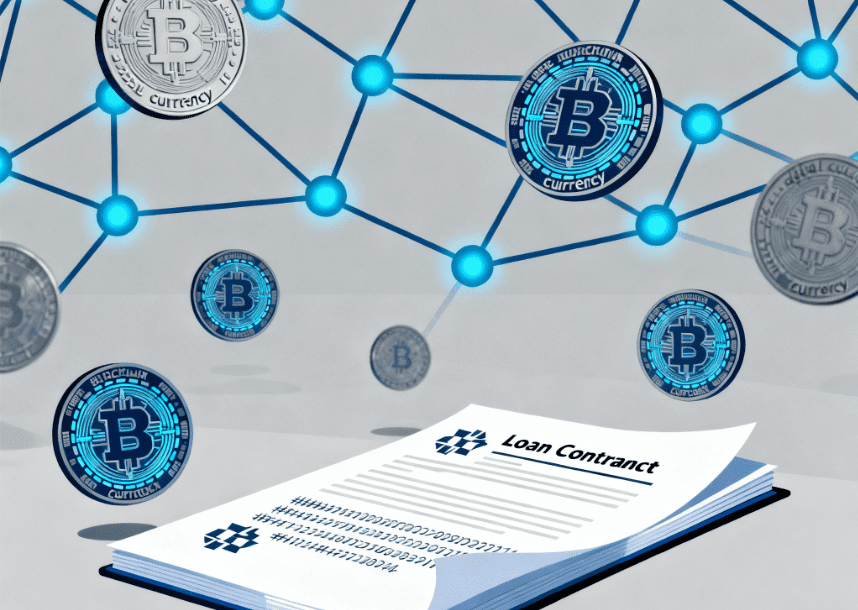
In 2025, Coinbase launched crypto-backed lending powered by Morpho, representing one of the largest onchain DeFi integrations to date. The service enables users to deposit Bitcoin as collateral to borrow USDC or lend USDC to earn yield. Coinbase users interact primarily through Coinbase’s user-friendly app, while the backend is handled entirely by Morpho’s decentralized smart contracts.
Key highlights:
- Users can instantly receive loans in USDC after posting Bitcoin as collateral, with the collateral managed transparently onchain by Morpho.
- Interest rates for loans and lender yields are determined algorithmically by the supply and demand in Morpho lending pools.
- The service is available to a broad base of U.S. customers, contrasting with competitors who must secure state-by-state lending licenses.
How DeFi Lending with Morpho Works
Unlike traditional lending, DeFi lending via Morpho uses permissionless, peer-to-peer smart contracts on a public blockchain. Here’s how it operates:
- Morpho allows anyone to create isolated lending markets pairing two assets (e.g., BTC/USDC), setting parameters such as interest rates, collateral ratios, and liquidation thresholds.
- Depositors (lenders) can add assets like USDC to earn interest generated by borrower demand, while borrowers provide collateral (e.g., Bitcoin) to access loans.
- The protocol utilizes intent-based matching, directly connecting lenders and borrowers when possible, which increases efficiency and customizability compared to pooled models.
- Risk management, interest, and liquidation parameters are enforced by immutable smart contracts, offering transparency and lowering custodial risks.
Morpho’s architecture supports:
- Permissionless market creation (anyone can set up a lending market with their chosen parameters).
- Isolated risk by keeping each market separate from others (similar to Uniswap pairs).
- A flexible, programmable approach conducive to both retail and institutional use cases.
Regulatory Position and the “Technology Facilitator” Model
U.S. regulation mandates that lending institutions must comply with Know Your Customer (KYC) and Anti-Money Laundering (AML) provisions. Traditionally, this involves collecting sensitive personal information and being licensed in every operational jurisdiction. However, Coinbase’s DeFi-backed loans differ:
- Coinbase does not lend directly or custody most of the funds; instead, its platform acts as a facilitator, routing user transactions to Morpho’s decentralized protocol.
- Morpho, as a permissionless, non-custodial protocol, does not inherently require user identification for participation. The protocol itself cannot discriminate or enforce regulatory checks, aligning with crypto’s open access ethos.
- This operational structure allows Coinbase to offer lending with fewer licensing barriers, avoiding direct lender status and thus some regulatory requirements. Competitors who lend from their own balance sheet or custody user funds face a patchwork of licensing obligations.
- Some argue this makes the DeFi model less susceptible to regulatory bottlenecks, though there are associated compliance and enforcement risks being debated by regulators, especially concerning consumer protections and illicit finance.
Implications for the DeFi Lending Segment
Coinbase’s partnership with Morpho signals a maturation of decentralized lending platforms. It combines the trusted brand and easy interface of a regulated exchange with the global, open, and often unregulated liquidity of DeFi protocols. For financial crime analysts and compliance professionals, this presents both opportunities for transparency (onchain transaction records, automated rules) and new risks (reduced KYC, cross-jurisdictional enforcement challenges).
As institutional players and retail crypto holders explore these products, ongoing regulatory debates are likely to shape future developments. Some DeFi initiatives are experimenting with “permissioned pools” for compliant institutional participation, but broad adoption of non-custodial, permissionless lending remains resistant to the same level of oversight as traditional finance.
This context will help you interpret and analyze Coinbase’s Bitcoin-backed lending offering and its market impact as described in the linked Decrypt segment.